Transformer
Steps AC voltage up or down and isolates the two sides.
- Schematic letter
- T / TR
- Unit / key rating
- Turns ratio, power (VA)
Pinout
- Primary: The winding connected to the mains or the switching circuit.
- Secondary: The winding that gives the output voltage; there may be several.
What is it for?
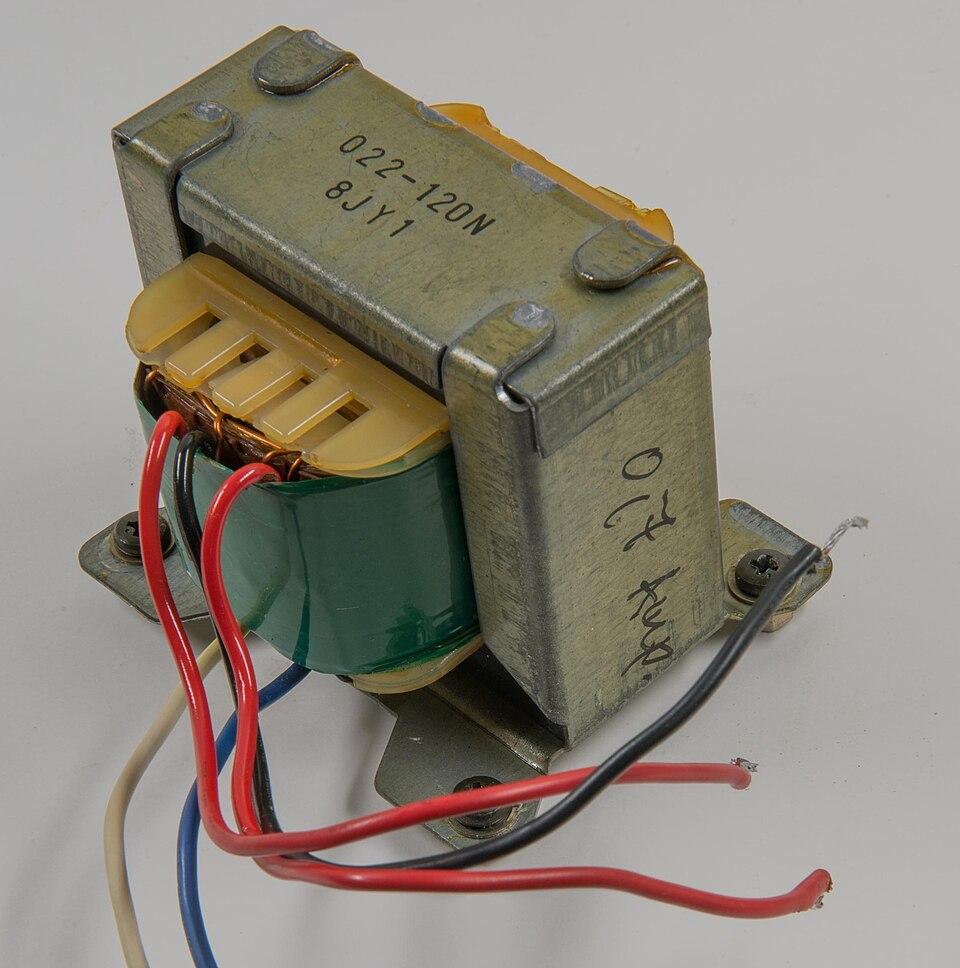
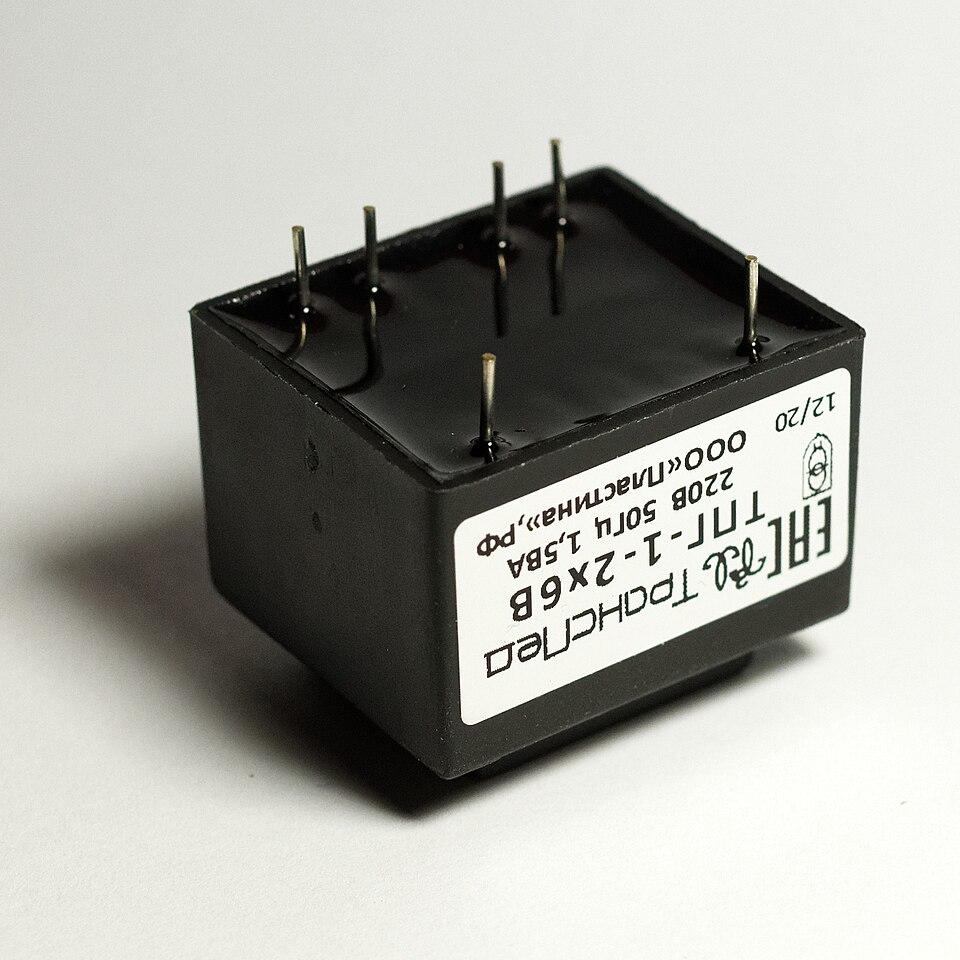
A transformer is two (or more) windings on the same core. AC current in the primary creates a changing magnetic field in the core, which induces a voltage in the secondary. The voltages are in proportion to the numbers of turns.
There's no electrical connection between the windings: the transformer isolates the mains from the safe side. Old adapters use heavy 50 Hz iron-core transformers; switch-mode supplies use small ferrite-core ones.
📘 Electronic Component Cards
Resistor, capacitor, diode, LED, transistor, inductor, relay and potentiometer: what each does, its schematic symbol, pinout and common mistakes. Print it and keep it on your desk.
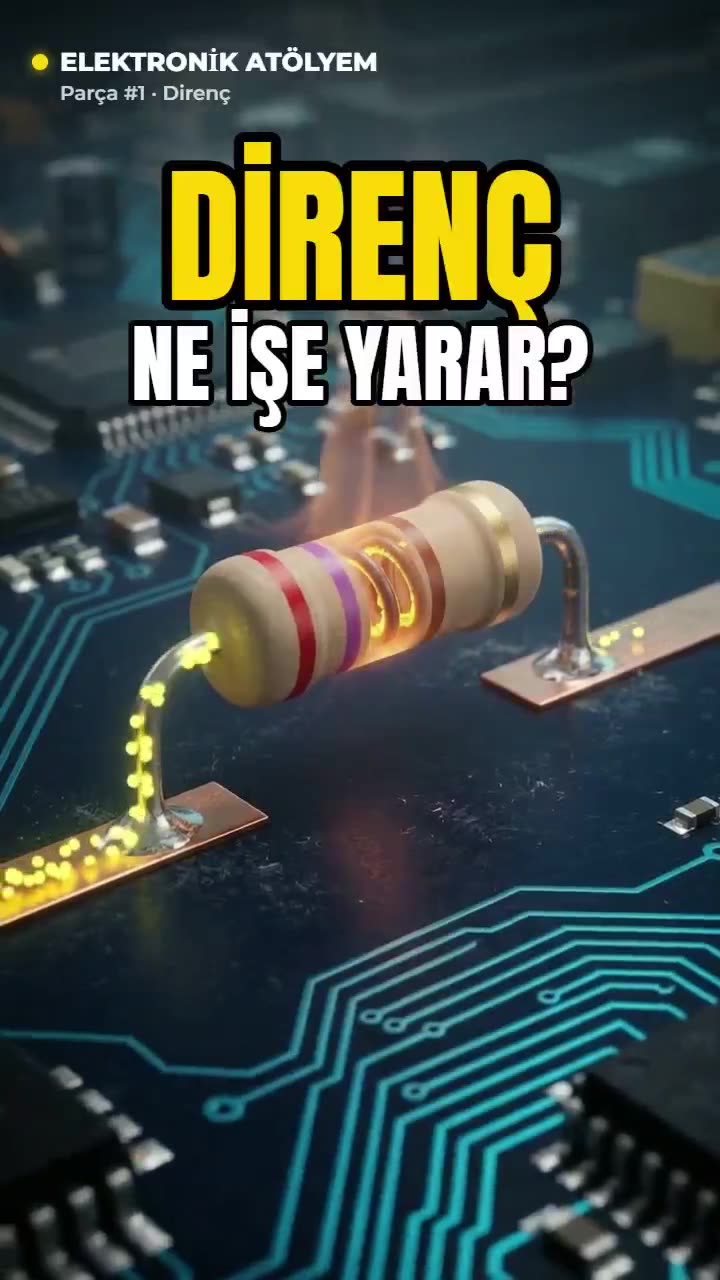
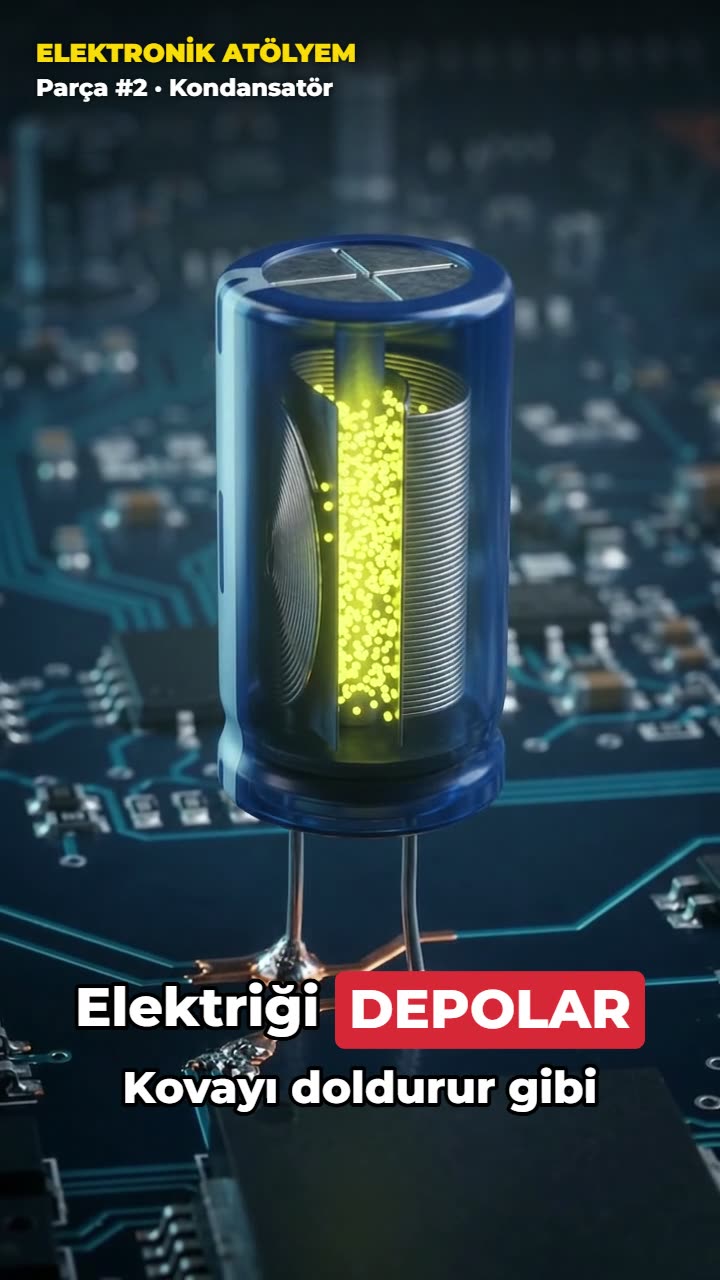
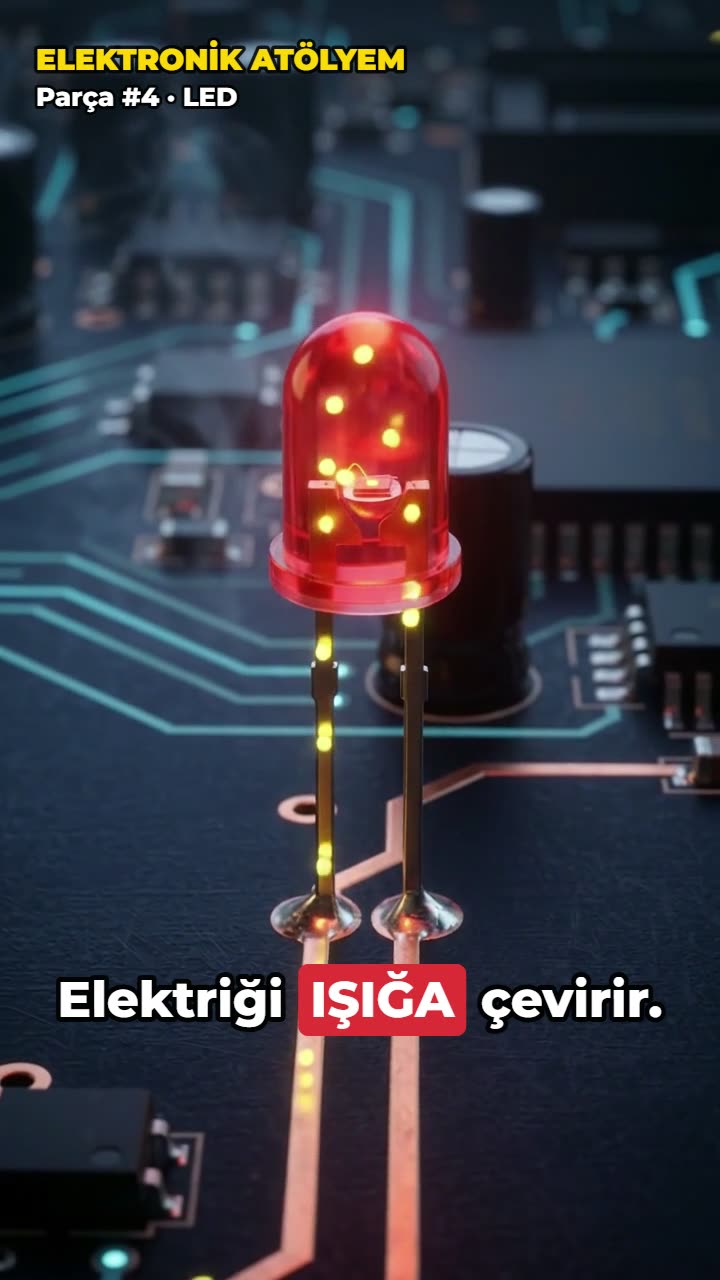
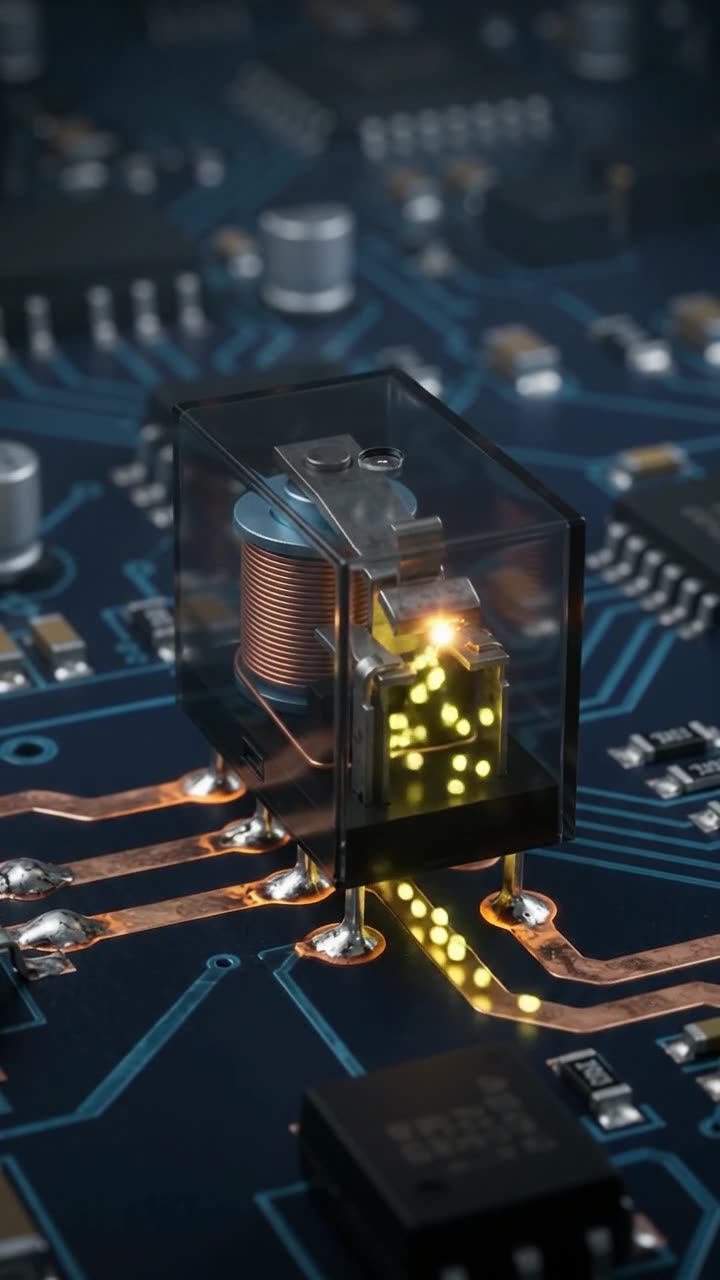
🔒 This content is in the repair pack
The repair pack unlocks all interactive content in one go: diagrams and current flows, the Repair Workshop, simulations, concepts, IC guides, the Component Library and comparison guides. One sample in every section is free.
Repair pack: 5,000 ₺, members get 10% off → 4,500 ₺. Or 1-week access for 1,000 ₺.