Relay
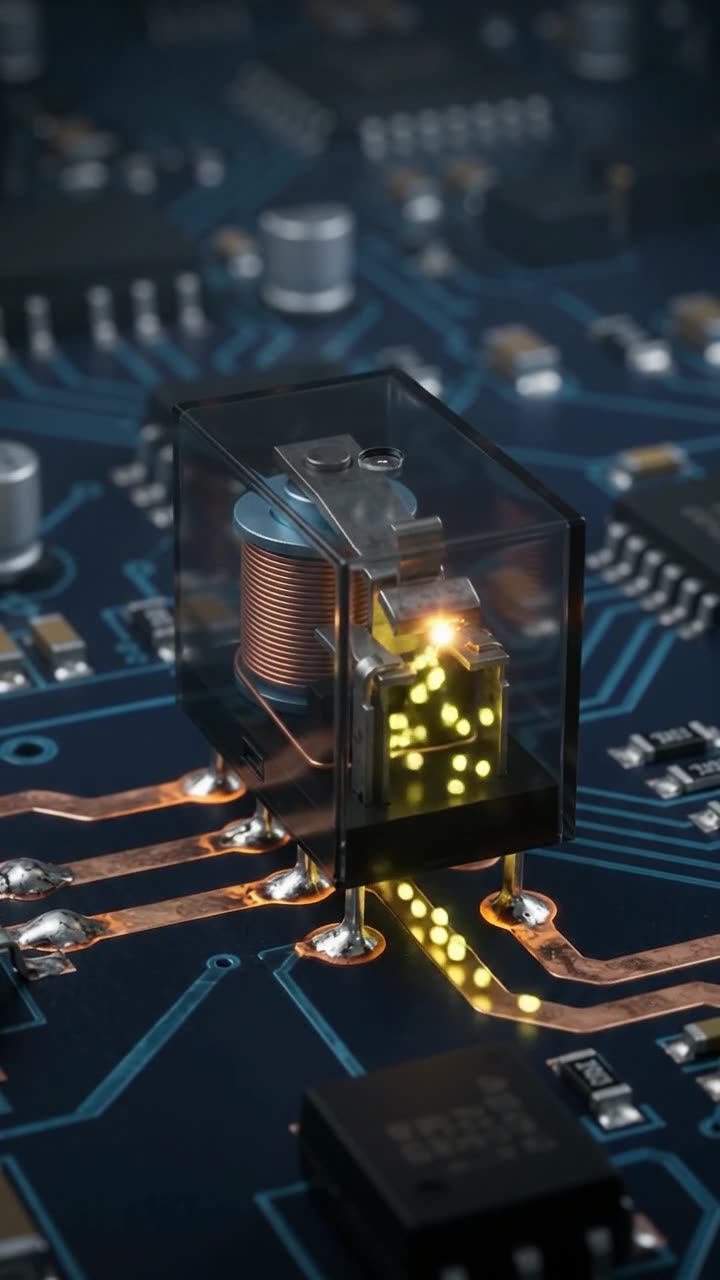
A switch that turns a big circuit on and off with a small current.
- Schematic letter
- K / RL
- Unit / key rating
- Coil voltage (V), contact current (A)
Pinout
- Coil (2 pins): The control side; comes in 5 V, 12 V or 24 V types.
- COM: The common terminal of the switched line.
- NO (normally open): Connects to COM when the coil is energised.
- NC (normally closed): Connected to COM while the coil is off.
What is it for?
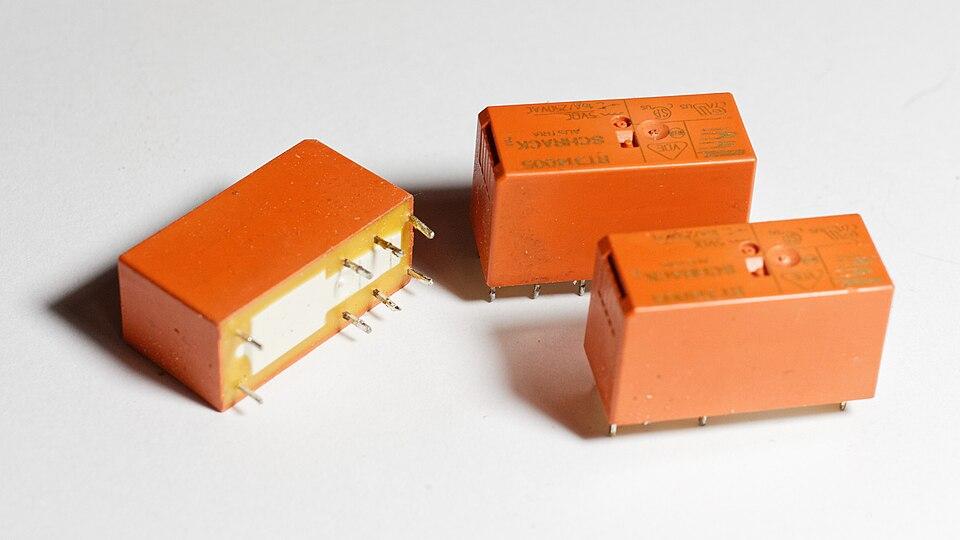
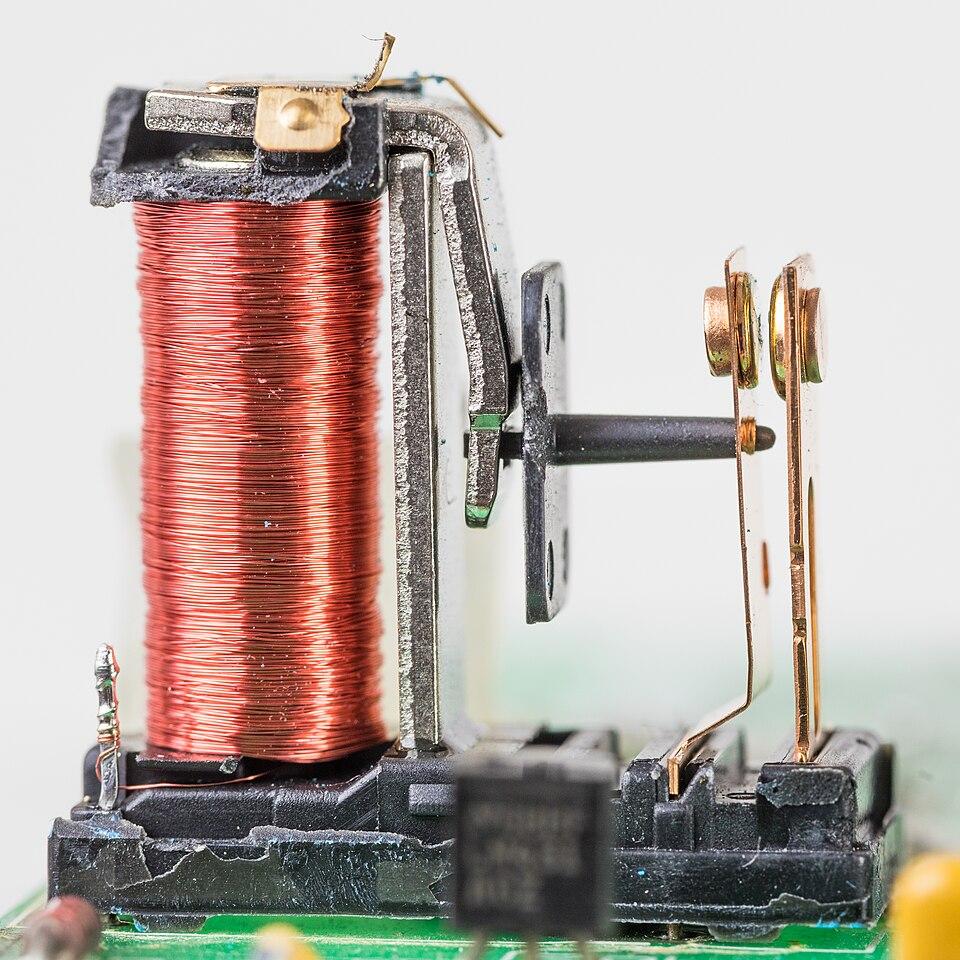
A relay is an electrically operated switch. Current through its coil creates a magnetic field that pulls a contact and closes (or opens) a circuit. The coil circuit is isolated from the contact circuit.
It's used to control a 230 V lamp, a motor or a boiler from a small circuit such as an Arduino.
📘 Electronic Component Cards
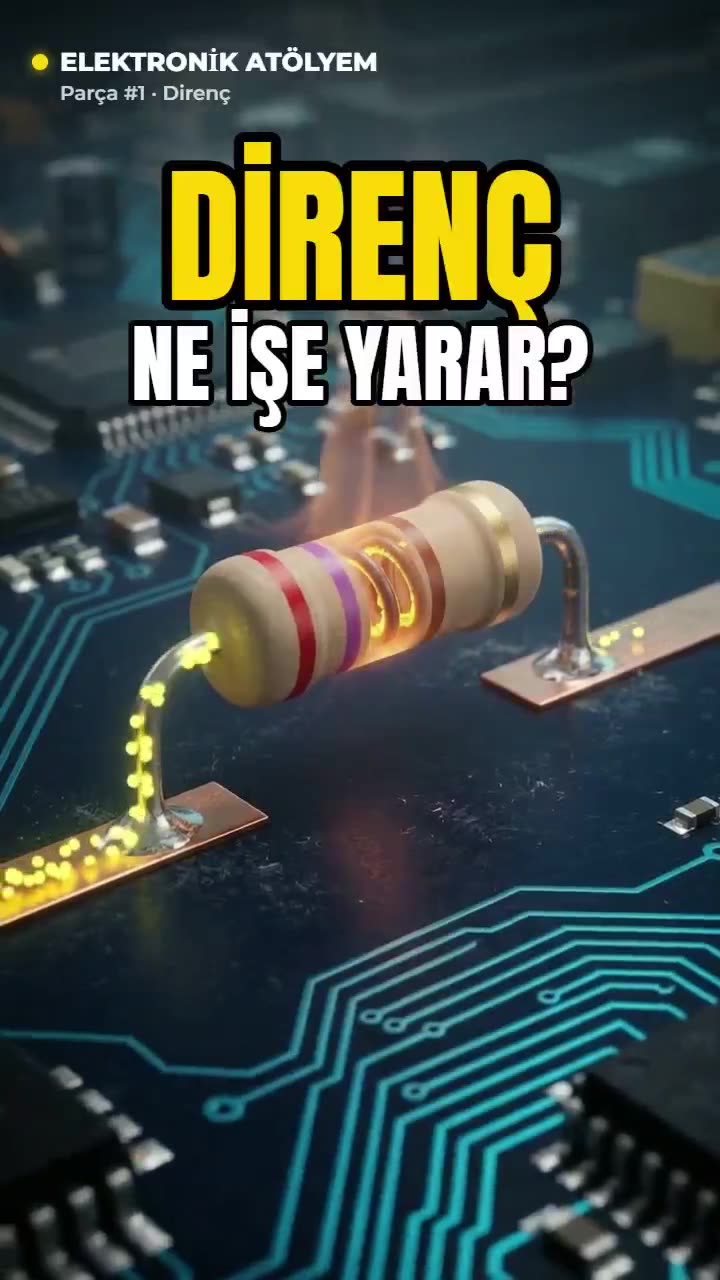
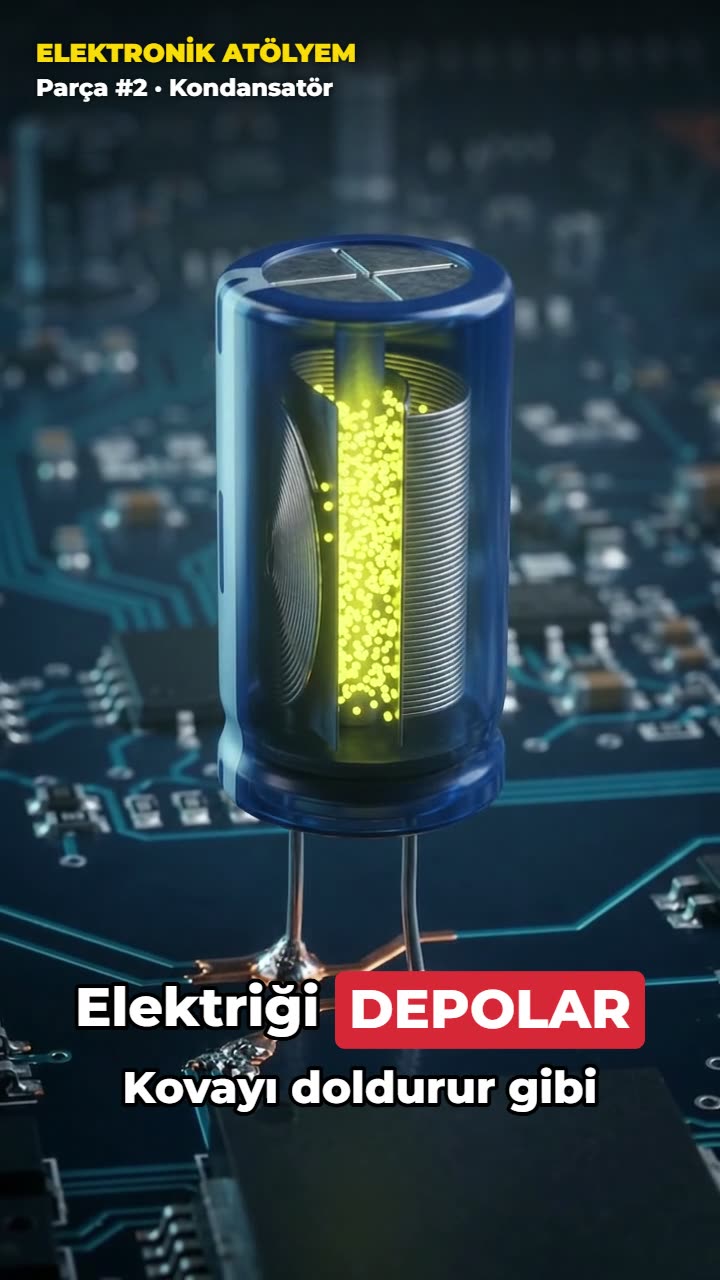
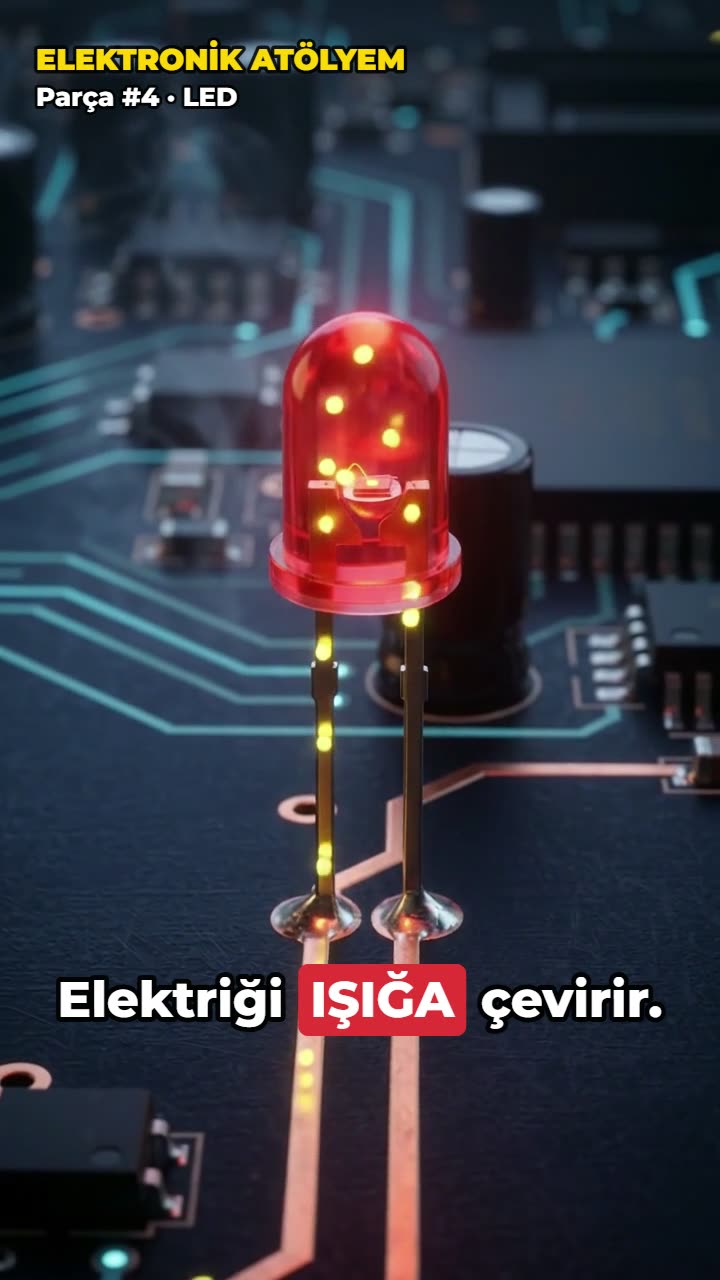
Resistor, capacitor, diode, LED, transistor, inductor, relay and potentiometer: what each does, its schematic symbol, pinout and common mistakes. Print it and keep it on your desk.
🔒 This content is in the repair pack
The repair pack unlocks all interactive content in one go: diagrams and current flows, the Repair Workshop, simulations, concepts, IC guides, the Component Library and comparison guides. One sample in every section is free.
Repair pack: 5,000 ₺, members get 10% off → 4,500 ₺. Or 1-week access for 1,000 ₺.