LED
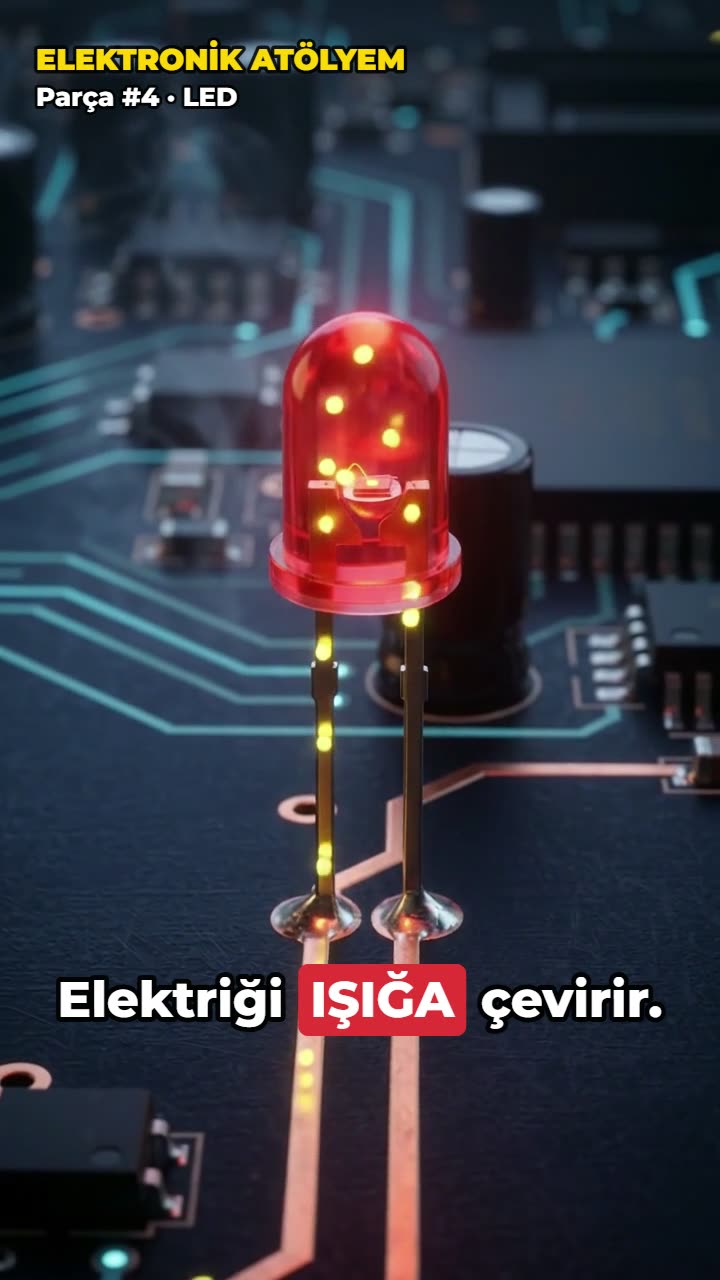
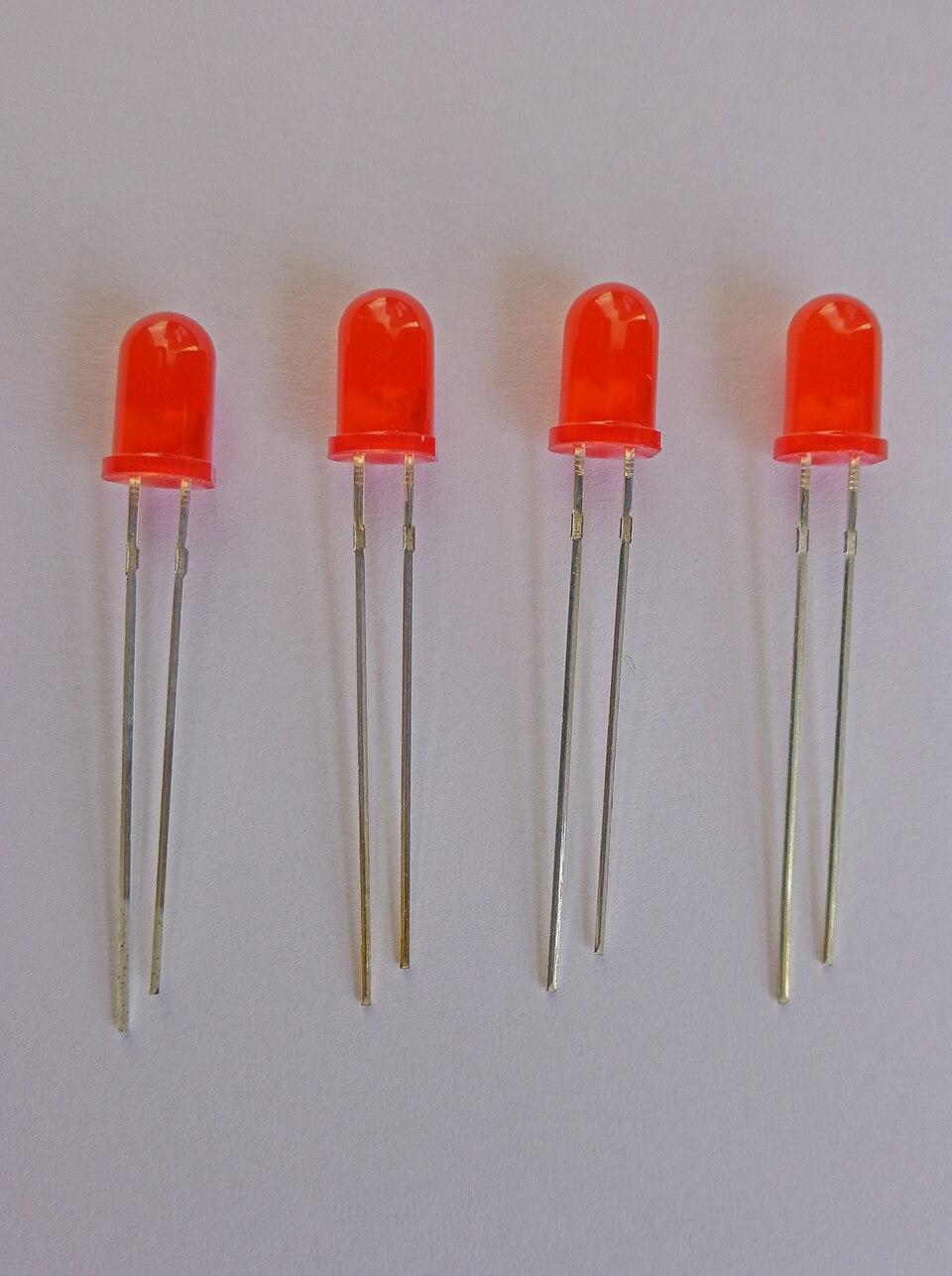
A diode that lights up when current flows.
- Schematic letter
- D
- Unit / key rating
- Forward voltage (V), current (mA)
Pinout
- Anode (+, long lead): Connects to the positive side.
- Cathode (−, short lead): On the flat side of the body.
What is it for?
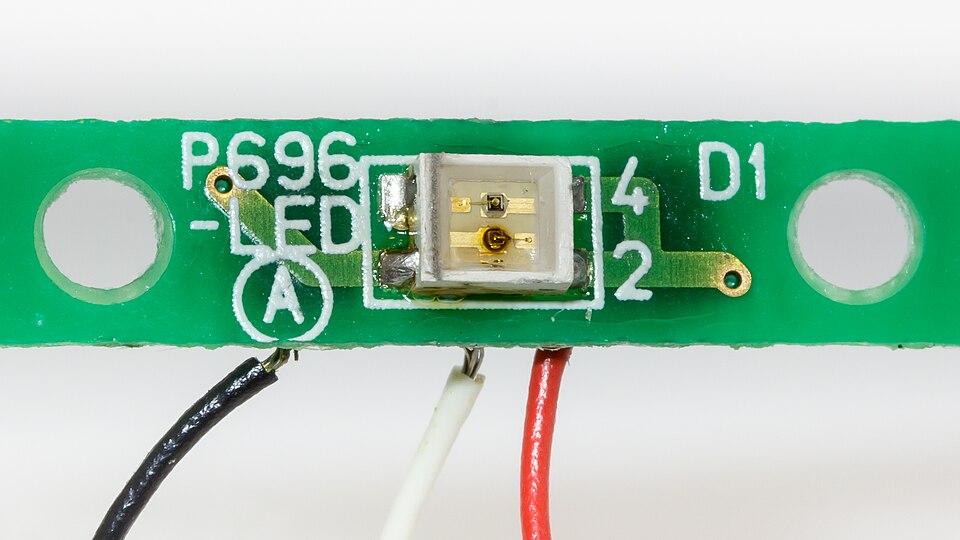
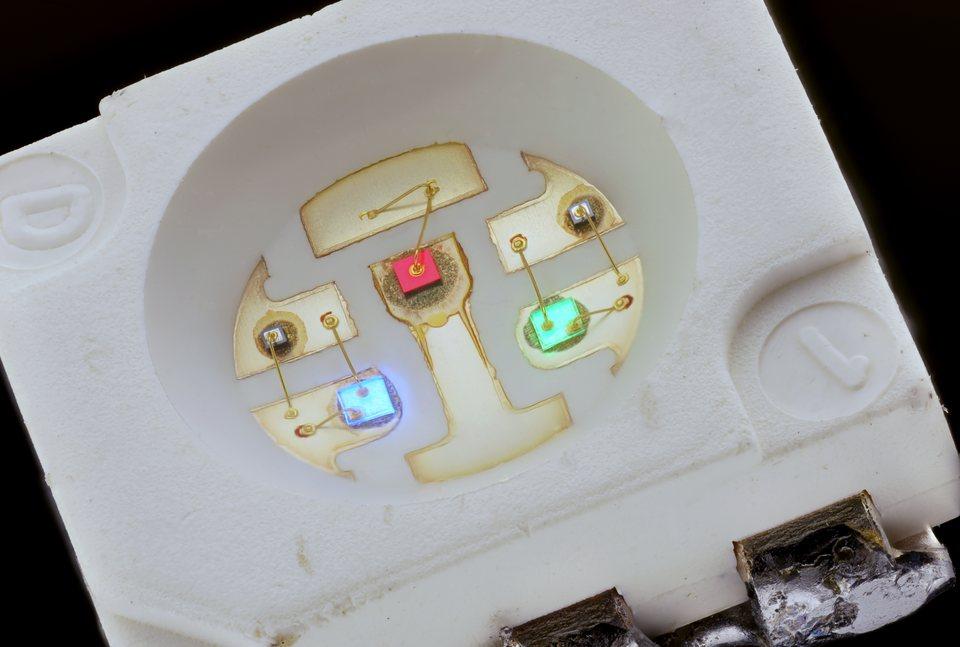
An LED (Light Emitting Diode) is a diode that emits light. It passes current in one direction only and glows in proportion to that current.
Each color has a different forward voltage: about 2 V for red and about 3 V for blue and white. Standard 5 mm LEDs run at 10–20 mA.
📘 Electronic Component Cards
Resistor, capacitor, diode, LED, transistor, inductor, relay and potentiometer: what each does, its schematic symbol, pinout and common mistakes. Print it and keep it on your desk.
🔒 This content is in the repair pack
The repair pack unlocks all interactive content in one go: diagrams and current flows, the Repair Workshop, simulations, concepts, IC guides, the Component Library and comparison guides. One sample in every section is free.
Repair pack: 5,000 ₺, members get 10% off → 4,500 ₺. Or 1-week access for 1,000 ₺.